Social Media Traffic Tracking: A Guide to Understanding and Optimizing Your Online Presence
In today’s digital landscape, social websites is more than merely a platform for sharing photos and opinions—it's a vital channel for getting visitors or traffic to websites and converting visitors into customers. To harness its full potential, businesses and marketers must track and analyze track social media traffic effectively. What Is Social Media Traffic Tracking? Social media traffic tracking means the process of monitoring and analyzing how users arrive at your website from social networking platforms like Facebook, Instagram, LinkedIn, Twitter (X), TikTok, among others. It helps determine the performance of one's social campaigns, identify which platforms drive essentially the most valuable traffic, and uncover opportunities for growth. 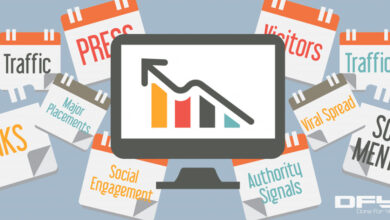 Why Is It Important? Measure ROI: See if your time and effort on social media are generating website visits, leads, or sales. Optimize Campaigns: Understand which posts, ads, or platforms are performing best. Understand Your Audience: Get demographic and behavioral data about your social media marketing visitors. Improve Content Strategy: Focus on the content types that drive probably the most engagement and traffic. Key Metrics to Track To evaluate social media marketing traffic effectively, observe the following metrics: Traffic Sources: Know which platforms (e.g., Instagram, Facebook) are bringing in one of the most visitors. Referral Path: See the specific posts or campaigns that drove traffic. Sessions and Pageviews: Monitor the number of visits originate from social platforms. Bounce Rate: Learn how engaging your squeeze page is for social users. Conversion Rate: Understand how many of these visitors do something (purchase, subscribe, etc.). Average Session Duration: See how long users from social networking spend on your website. Tools for Tracking Social Media Traffic Google Analytics (GA4) Track social referrals under Traffic acquisition > Session source/medium. Use UTM parameters to label links and distinguish between campaigns. Monitor conversions from social sources. Meta Business Suite (for Facebook & Instagram) Provides insights into clicks, engagement, and exactly how much traffic your site content drives. LinkedIn Campaign Manager / Twitter Analytics / TikTok Analytics Track the performance of paid and organic content. Social Media Management Tools Tools like Hootsuite, Buffer, and Sprout Social offer integrated analytics that tie traffic and engagement together. How to Use UTM Parameters for Better Tracking UTM (Urchin Tracking Module) parameters are tags combined with the end of URLs to track the effectiveness of campaigns. Best practices: Be in line with naming conventions. Always tag your links when posting externally. Use URL shorteners as required to keep links clean. Tips to Improve Social Media Traffic Post once your audience is most active. Use compelling visuals and CTAs (calls to action). Leverage stories and reels to advertise blog content or offers. Engage along with your audience to further improve organic reach. Promote evergreen content to keep consistent traffic flow. Tracking social networking traffic isn’t nearly knowing how many people clicked a link—it’s about understanding behavior, optimizing content, and driving meaningful business outcomes. With the right tools and approach, it is possible to turn your social channels into powerful, data-driven traffic sources that help with your main point here.